Related Articles
- 7 Game-Changing Off-Grid Solar Kits from the Last 5 Years Ranked for Peak Performance and Reliability
- Uncovering the Role of Solar Warranty Disputes in Shaping Consumer Trust and Industry Accountability
- The Role of Behavioral Economics in Shaping Unexpected Solar Investment Decisions Among Rural Entrepreneurs
- Top 5 Emerging Solar Panel Brands Since 2019 That Outlast the Competition in Real-World Tests
- Top 6 Trailblazing Ground Solar Frames Unveiled Since 2019 Revolutionizing Installation Speed and Durability
- How Biodegradable Mounting Materials Could Revolutionize Eco-Friendly SolarRoof Installations by 2030
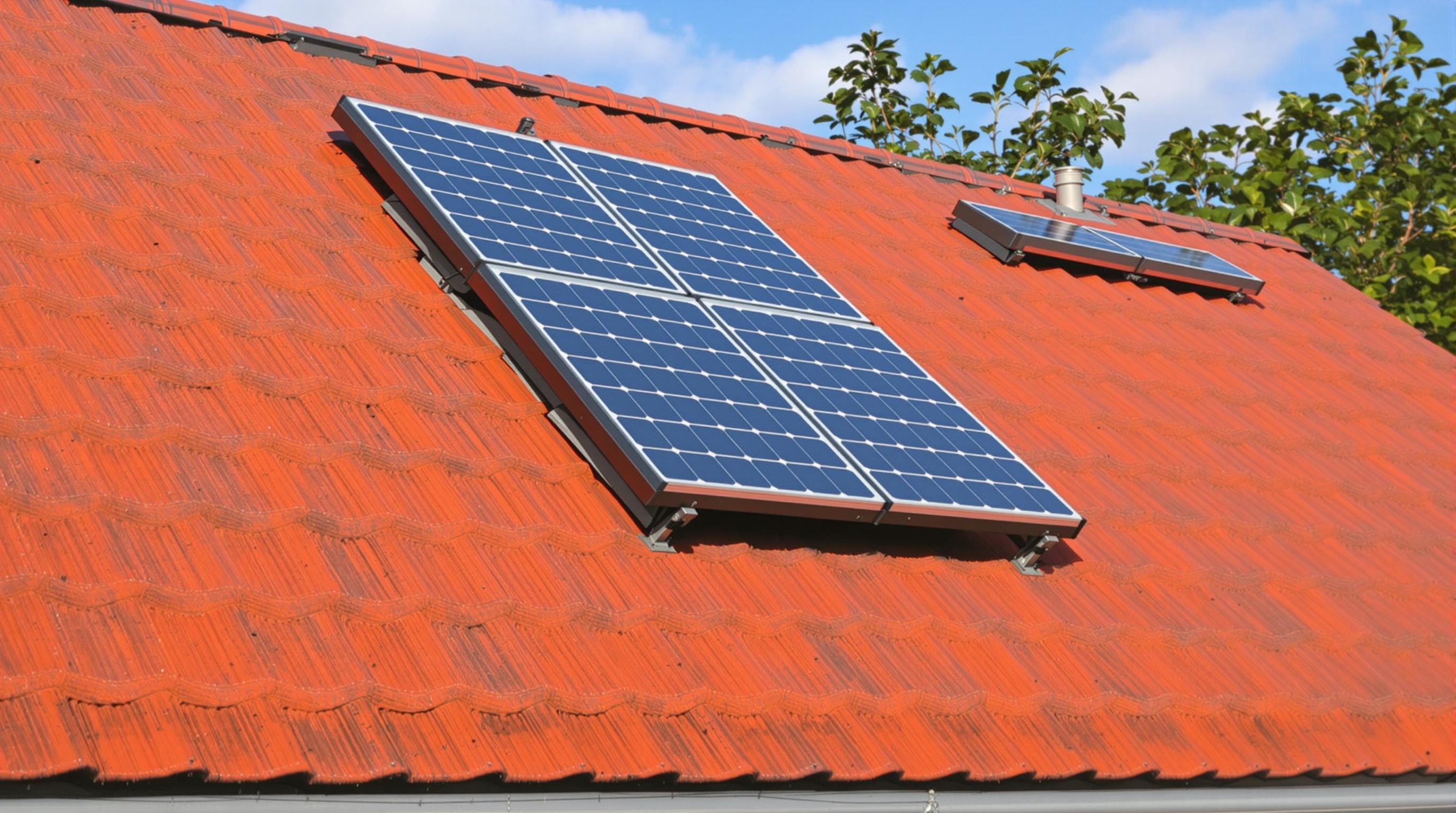
8 Lesser-Known Solar Warranty Clauses That Could Save You Thousands Over Your Panel’s Lifespan
8 Lesser-Known Solar Warranty Clauses That Could Save You Thousands Over Your Panel’s Lifespan
8 Lesser-Known Solar Warranty Clauses That Could Save You Thousands Over Your Panel’s Lifespan
When investing in solar panels, understanding your warranty can profoundly impact your savings and peace of mind. Many focus on the obvious aspects like the length of coverage, but there are lesser-known warranty clauses that could save you thousands over your system’s lifespan. These clauses are often buried in the fine print yet can make a significant difference when issues arise. This article highlights eight such clauses to help you make an informed decision and maximize your investment's value.
Solar panel warranties typically come in two forms: performance warranties and product warranties. Performance warranties guarantee a certain level of power output over time, usually around 80% of original capacity after 25 years. Product warranties cover defects in materials and workmanship. However, beyond these basic guarantees, many contracts include nuanced terms that consumers overlook, potentially costing them much more in repairs or replacements. Let’s dive into these lesser-known but vital warranty clauses.
By comprehensively understanding these clauses, homeowners and businesses can not only protect their solar investments but also negotiate better contracts and avoid unexpected expenses. These insights ensure solar systems continue to deliver value and environmental benefits for decades.
1. Performance Degradation Rate Guarantees
While most people know about the 25-year performance warranty, the specific yearly degradation rate guarantee is crucial yet often ignored. This clause stipulates the maximum rate at which solar panels’ efficiency can decline annually. A typical degradation rate is about 0.5%, but some warranties promise even lower rates, which results in higher energy production over time.
Understanding and comparing these rates can save thousands because panels with lower degradation maintain higher energy output, increasing your electricity bill savings. A higher degradation rate can mean less energy delivered, reducing your return on investment. Always ask for a detailed performance degradation certificate from your solar provider.
As reported by the National Renewable Energy Laboratory (NREL), panels with better degradation rates outperform others significantly in the long run, making these warranty clauses essential for evaluating longevity and financial benefits (NREL, 2023).
2. Labor and Logistics Coverage
Many product warranties claim to cover hardware defects but explicitly exclude labor or shipping costs, which can add up substantially. Some warranties include labor and logistics coverage, meaning the company will pay for technician visits, troubleshooting, and parts shipping during the warranty period.
This clause can save you hundreds or thousands of dollars in service fees should repairs be necessary. Without it, consumers might face hefty bills even when repairs are contractually guaranteed. Confirm whether your warranty includes these costs or if they are your responsibility.
Research firms like Consumer Reports emphasize examining labor coverage in warranties carefully to avoid surprise expenses, as labor can often cost more than the parts themselves (Consumer Reports, 2022).
3. Extended Warranty Transferability
Solar panels are generally a long-term asset, but what happens if you sell your home? Transferability clauses govern whether the warranty transfers with the property to new owners. Not all solar warranties allow for this, which could diminish your property’s resale value.
A transferable warranty can also provide potential buyers with confidence in the system’s reliability, often boosting home value. On the other hand, a non-transferable warranty means the new owner might have to pay out of pocket for repairs after purchase.
Confirming whether the warranty is fully transferable—and if there are any fees or steps involved—is a critical detail often overlooked during installation contracts (U.S. Department of Energy, 2023).
4. Coverage for Microcracks and Potential Induced Degradation (PID)
Microcracks are tiny fractures that can occur during manufacturing, shipping, or installation, potentially causing reduced efficiency or failure over time. Potential Induced Degradation (PID) is another phenomenon decreasing panel output caused by voltage issues.
Not all warranties explicitly cover damage from microcracks or PID, which could lead to early performance losses or full panel failures. Warranties that include these issues protect your investment by ensuring repair or replacement when these hidden problems arise.
Scientific studies highlight that microcracks and PID can reduce panel efficiency by up to 30%, underscoring the importance of these specific warranty protections (Fraunhofer Institute for Solar Energy Systems, 2022).
5. Weather and Environmental Damage Coverage
Solar panels are exposed to harsh environmental conditions like hail, snow, high winds, and salt spray in coastal areas. Some warranties cover weather-related damage, but the extent varies widely. Standard warranties might exclude certain natural events or damage thresholds.
If you live in an area prone to extreme weather, look for warranties that explicitly cover hail impact or high-wind damage. This can save replacement costs, which might otherwise not be covered by homeowners insurance policies.
The Solar Energy Industries Association (SEIA) recommends choosing warranties with robust weather damage clauses to safeguard your system against regional climate risks (SEIA, 2024).
6. Coverage of Balance of System Components
The warranty for your solar system isn’t just about the panels. Inverters, mounting racks, cables, and other balance of system (BOS) components often have separate or limited warranties. Sometimes, the panel warranty does not cover these elements at all.
Knowing whether your warranty includes or excludes BOS components like inverters—one of the most failure-prone parts—is essential. Some manufacturers offer comprehensive system warranties that cover these, potentially saving thousands in repair and replacement costs.
According to the International Renewable Energy Agency (IRENA), to maximize system uptime and savings, full BOS coverage in warranties should be a priority for solar buyers (IRENA, 2023).
7. Extended Product Warranty Purchase Options
Many basic product warranties cover 10-12 years, but extended warranty options are sometimes available for purchase. These extensions might cover product defects, labor, and other services beyond the initial period.
While additional cost upfront is necessary, extended warranties can be cost-effective for homeowners with plans to keep their solar system for decades. They provide ongoing peace of mind against unexpected expenses as the system ages.
Review your warranty provider’s policy on extended coverage carefully, including costs, coverage details, and limitations, to determine if this investment fits your long-term strategy (EnergySage Solar Marketplace, 2024).
8. Early Failure and Manufacturing Defect Clauses
While product warranties cover defects unknowingly present at installation, specific clauses address early failures within the first few years. These warranties should offer full repair or replacement without depreciated value deductions during this period.
This clause ensures you aren’t stuck with diminished compensation if your panels fail soon after installation. Sometimes, companies limit replacement options or charge for parts in early years due to ambiguous warranty language.
Confirm and clarify your warranty’s language on early failure to avoid unexpected expenses and maintain maximum protection for your new solar system (Underwriters Laboratories, 2023).
9. Defect Detection and Reporting Requirements
Most warranties require you to detect and report defects within a specific timeframe, often accompanied by specific procedures. These requirements can be stringent, including notification deadlines and necessary documentation.
Failing to comply with these procedural clauses can result in denial of claims, even if defects are covered. Understanding how to properly report issues and within what durations is critical to claim your warranty benefits.
Consulting your warranty documentation thoroughly and keeping detailed service and inspection records can help you avoid claim rejections and expedite repairs (Solar Energy Technologies Office, 2023).
10. Liability and Exclusion Clauses
Finally, warranties often include clauses that limit manufacturer liability or exclude certain damages altogether. For example, some exclude consequential damages like lost energy production or secondary property damage caused by panel failure.
While these clauses are standard legal protections for companies, understanding their presence can help manage expectations and plan for potential out-of-pocket costs not covered by warranty.
Legal experts advise reviewing these exclusions carefully and considering supplemental insurance or service contracts to cover gaps left by warranty limitations (American Bar Association, 2023).
Conclusion: Knowing the lesser-known clauses in your solar warranty can dramatically influence your financial savings and system performance satisfaction. Always review warranty terms in detail, ask providers clarifying questions, and consider these eight factors in your decision-making process. This proactive approach can yield thousands in potential savings and ensure your solar investment is protected for decades to come.
Read More