Related Articles
- 7 Game-Changing Off-Grid Solar Kits from the Last 5 Years Ranked for Peak Performance and Reliability
- Uncovering the Role of Solar Warranty Disputes in Shaping Consumer Trust and Industry Accountability
- The Role of Behavioral Economics in Shaping Unexpected Solar Investment Decisions Among Rural Entrepreneurs
- Top 5 Emerging Solar Panel Brands Since 2019 That Outlast the Competition in Real-World Tests
- Top 6 Trailblazing Ground Solar Frames Unveiled Since 2019 Revolutionizing Installation Speed and Durability
- How Biodegradable Mounting Materials Could Revolutionize Eco-Friendly SolarRoof Installations by 2030
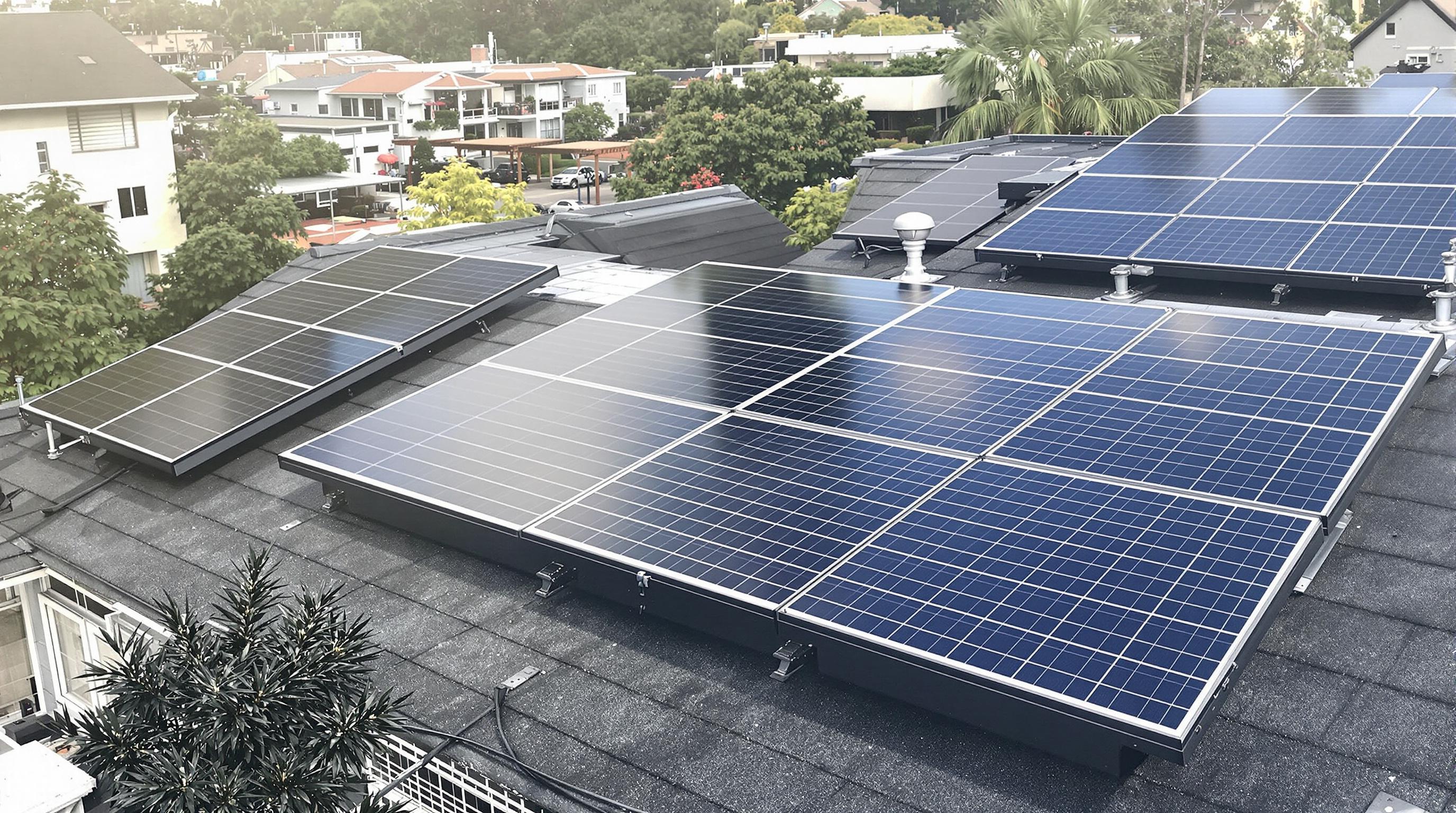
5 Innovative SolarRoof Mounting Techniques to Maximize Rooftop Energy Capture and Reduce Installation Costs
5 Innovative SolarRoof Mounting Techniques to Maximize Rooftop Energy Capture and Reduce Installation Costs
5 Innovative SolarRoof Mounting Techniques to Maximize Rooftop Energy Capture and Reduce Installation Costs
Introduction to SolarRoof Mounting Challenges
Solar energy continues to surge as a leading renewable energy source, largely driven by advances in rooftop solar installations. However, capturing the maximum amount of solar energy efficiently while reducing installation costs remains a significant challenge for both residential and commercial projects.
Traditional rooftop solar mounting systems often require lengthy labor, substantial hardware, and sometimes structural modifications, all of which increase the overall cost and complexity of installations. Additionally, optimizing the angle and placement of solar modules is critical to maximize energy capture, adding another layer of difficulty.
This article explores five innovative solar roof mounting techniques designed to address these challenges by improving energy yield and cutting down installation expenses. Each technique brings unique advantages that contribute to a more sustainable and cost-effective solar future.
1. Integrated Solar Roof Tiles
Integrated solar roof tiles, also known as solar shingles, replace traditional roofing materials with photovoltaic materials that blend seamlessly into the roof’s architecture. This method eliminates the need for separate mounting hardware, simplifying the installation process and improving aesthetics.
Since these tiles serve dual functions, they reduce the weight load on the roof and minimize material costs. By integrating solar energy collection directly into the roof surface, the system reduces wind resistance and enhances durability against environmental factors.
According to a study published by the National Renewable Energy Laboratory (NREL), integrated solar tiles can improve energy capture by up to 10% in urban environments due to their ability to be installed at optimal angles and integrated flush with roofing, reducing shading effects.
2. Ballasted Racking Systems
Ballasted racking systems use weights to secure solar panels on flat or low-slope rooftops, eliminating the need for roof penetrations. This technique protects the roof membrane from potential damage, lowers installation labor costs, and speeds up the mounting process.
By using engineered ballast blocks, installers can adapt the system to a variety of roof types and weight limits without compromising structural integrity. This flexibility makes it an attractive option for commercial buildings and warehouses seeking efficient, low-impact solar installations.
Industry reports from the Solar Energy Industries Association (SEIA) highlight that ballasted systems can reduce installation labor time by up to 30%, contributing significantly to overall cost savings.
3. Adjustable Tilt Mounts
Adjustable tilt mounts enable solar panels to be manually or automatically adjusted to optimize the angle relative to the sun’s position throughout the year. This adaptability enhances solar energy capture, particularly in locations with seasonal sun angle variations.
These mounts can be designed to fold flat during extreme weather conditions, protecting panels from damage and extending their operational lifespan. Although slightly more complex in design, the increased efficiency often justifies the initial investment.
A study published in Renewable Energy Journal shows that installations using adjustable tilt mounts can increase annual energy production by approximately 15% compared to fixed-tilt systems, helping offset the incremental cost.
4. Snap-Fit Mounting Systems
Snap-fit mounting technology allows solar panels to be securely locked into place using interlocking mechanisms without additional screws or bolts. This approach drastically reduces installation labor and the number of required tools.
The modular nature of snap-fit systems facilitates faster assembly and disassembly, which is beneficial for maintenance or system upgrades. These mounts are typically lightweight but designed to withstand environmental stresses such as high winds or seismic activity.
According to a 2023 report by GreenTech Innovations, snap-fit systems can reduce installation times by nearly 40%, translating directly into lower labor costs and faster project completion.
5. Magnetic Mounting Systems
Magnetic mounting leverages powerful, weather-resistant magnets to affix solar panels to metal rooftops without drilling or adhesives, preserving roof integrity and simplifying installation. This technique is particularly useful for temporary or mobile solar setups.
Magnets also allow for easy repositioning or removal of solar modules, which is advantageous for maintenance or in environments where roof use or layout changes are frequent. This reusability factor promotes sustainability by reducing hardware waste.
Research from the Journal of Cleaner Production highlights that magnetic mounts can reduce installation costs by up to 25% in suitable applications and improve installation speed significantly due to their non-invasive nature.
Hybrid Approaches for Enhanced Performance
Combining multiple mounting techniques can further enhance rooftop solar performance and cost efficiency. For example, integrating solar roof tiles with adjustable tilt mounts can optimize energy capture while maintaining an attractive roof profile.
Hybrid systems allow installers to tailor designs to specific building constraints, climate conditions, and client preferences, striking a balance between initial cost and long-term energy yield.
The Department of Energy advocates for such adaptable approaches, noting that hybrid mounting solutions can yield up to 20% improvements in energy production over conventional setups.
Material Innovations to Complement Mounting Systems
Recent advances in lightweight, corrosion-resistant materials like anodized aluminum and composite polymers enhance mounting system durability while simplifying handling and installation.
These materials reduce overall system weight, which is critical for older buildings with load limits and also improves wind resistance and lifespan of the mechanical components.
According to materials science research from MIT, adopting these advanced materials in mounting solutions contributes to a 10% reduction in maintenance needs and related costs over the system’s lifetime.
Cost-Benefit Analysis of Innovative Mounting Techniques
While upfront costs for innovative mounting tech might be higher compared to traditional mounts, the overall savings through reduced labor, improved energy production, and lower maintenance can provide substantial return on investment (ROI).
Careful site assessment and customized design play critical roles in maximizing cost-effectiveness by ensuring the most suitable mounting method is chosen for each specific project.
Financial modeling from the International Renewable Energy Agency (IRENA) confirms that systems employing one or more of these innovations can reduce payback periods by as much as two years compared to conventional systems.
Future Trends in Solar Roof Mounting
Emerging technologies such as AI-driven adaptive mounting systems and smart tracking components are set to revolutionize rooftop solar installations by automatically optimizing panel positioning in real time.
Integration with building management systems can further enhance energy management, predictive maintenance, and system diagnostics, helping building owners maximize rooftop solar investment.
Experts predict that by 2030, these advancements, combined with continued material innovations and simplified installation techniques, will make solar roofing accessible to a broader range of buildings and applications worldwide.
Conclusion
Innovative solar roof mounting techniques like integrated solar tiles, ballasted systems, adjustable tilt mounts, snap-fit mechanisms, and magnetic mounts significantly boost rooftop solar energy capture and reduce installation costs.
When combined with advancements in materials and hybrid designs, these innovations offer building owners flexible, efficient, and cost-effective pathways to harness solar power more effectively.
Continued research, adoption, and refinement of these methods will play a crucial role in accelerating global solar deployment, supporting the transition to a sustainable energy future.
Read More